In Stock
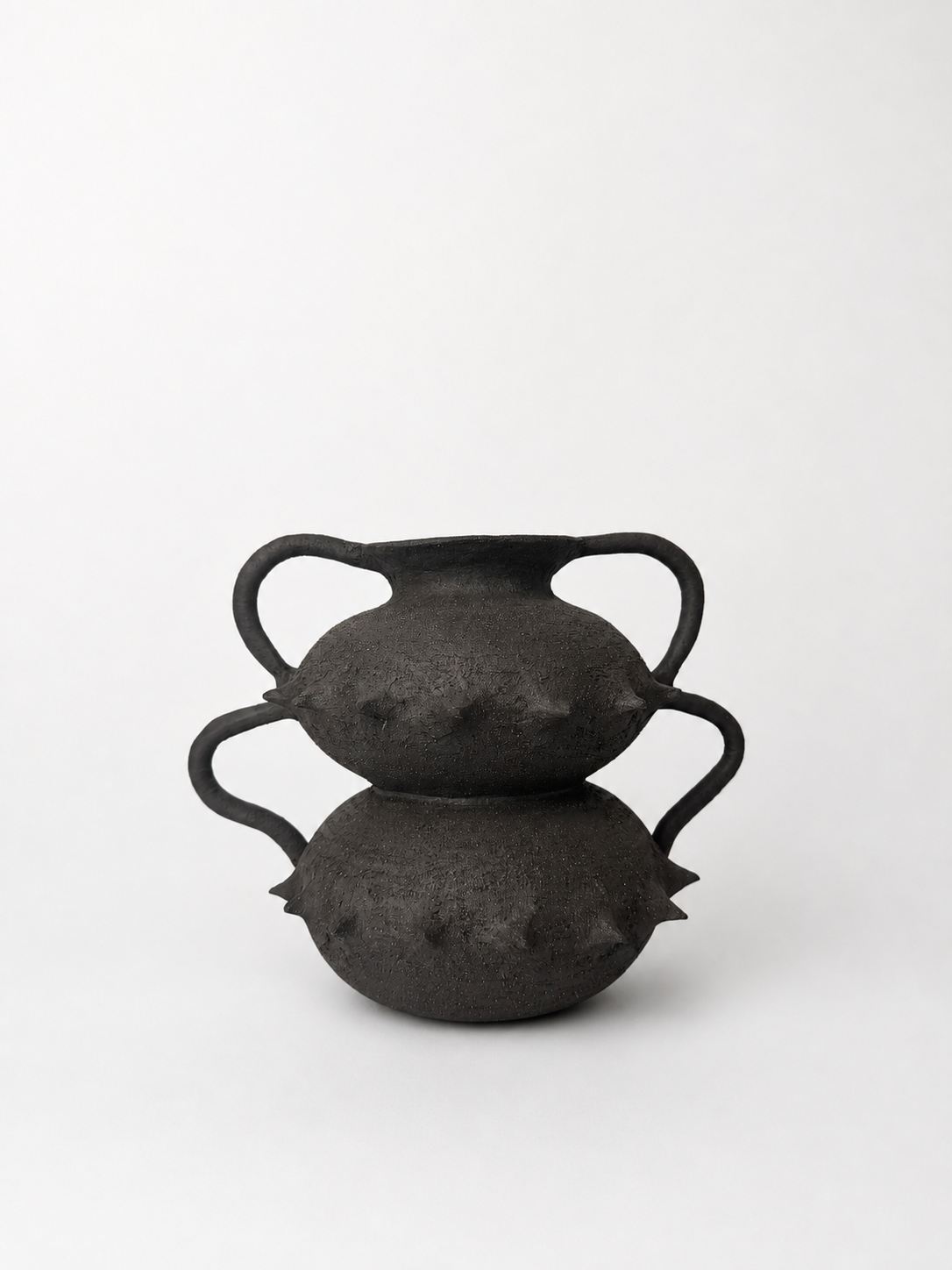
Yaşam alanlarınıza doğal ve özgün bir dokunuş katacak el yapımı seramik vazo modellerini keşfedin. Dekoratif, zamansız ve karakterli handmade vazolar KAIIRA’da.
3 products
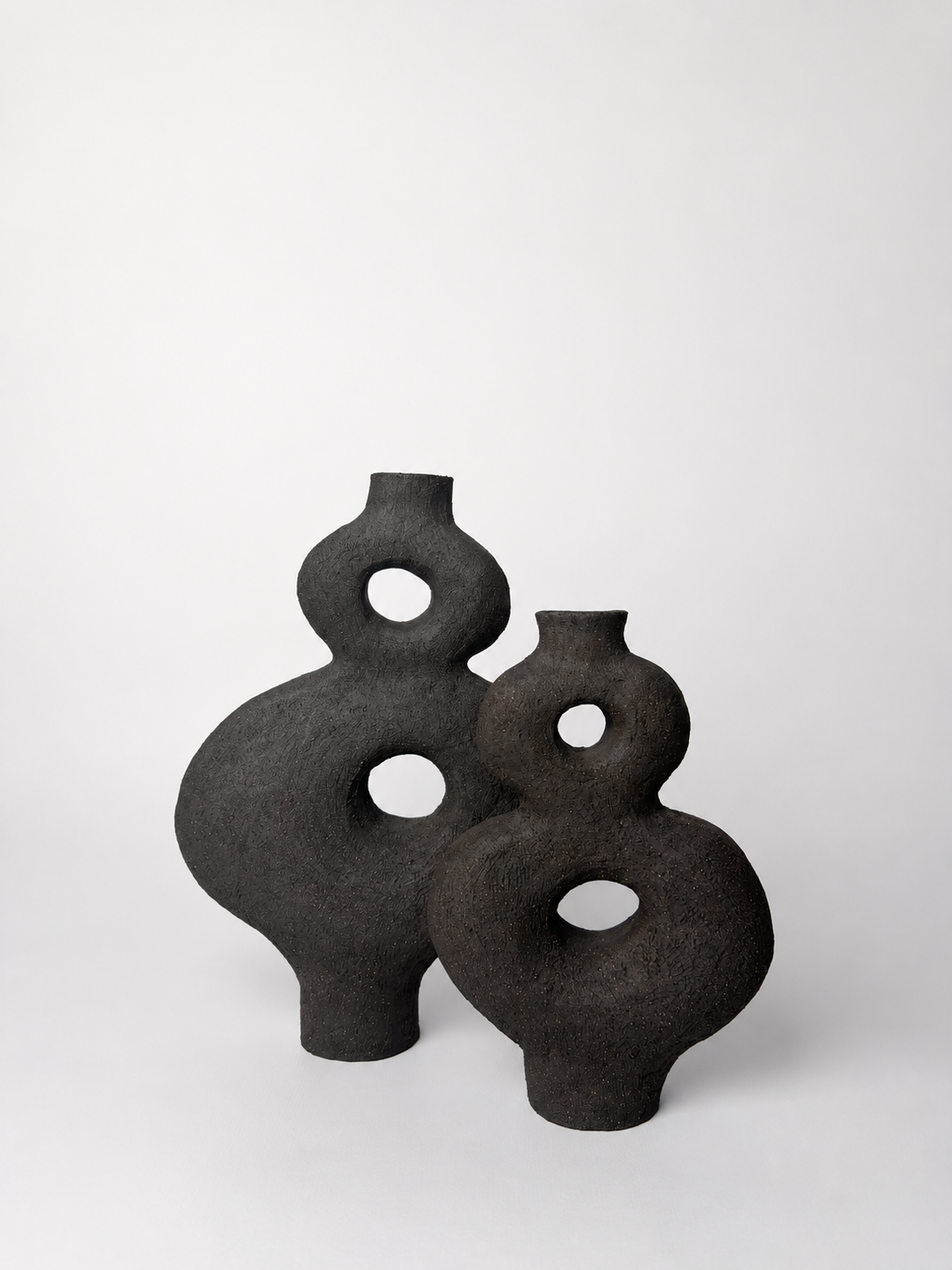
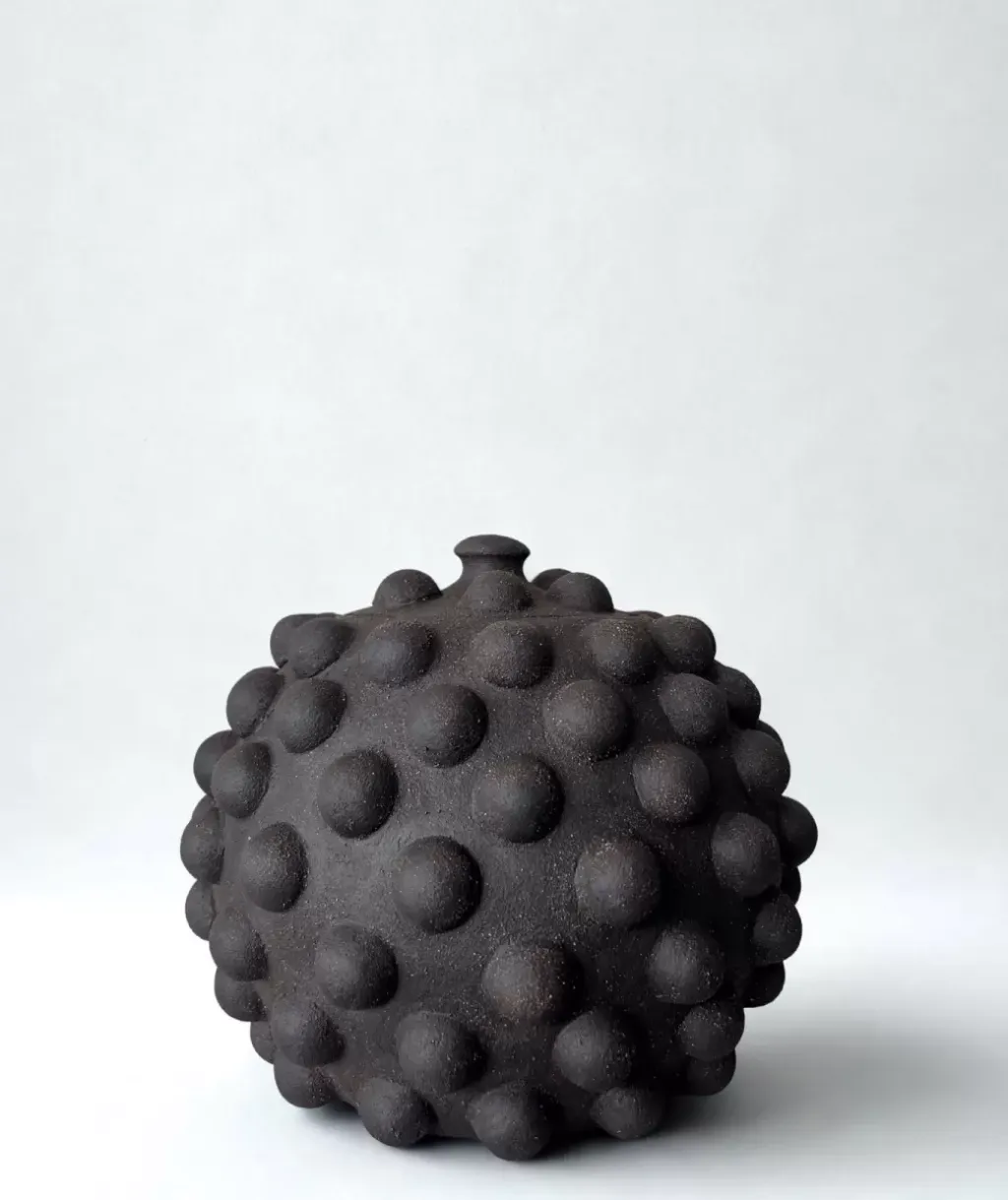
A vase is never just a container. It is the quiet frame around a bunch of garden roses, the sculptural anchor on an empty console, the object your eye returns to long after the flowers have faded. At KAIIRA, every handmade ceramic vase begins as a lump of raw clay and ends as a biricik, one-of-a-kind piece shaped, glazed and fired by human hands. Nothing is stamped out by the thousand. Each curve carries the faint fingerprint of the maker, and no two glazes pool in exactly the same way twice.
Our vase collection is built for the way people actually live with flowers and objects. Whether you are hunting for a slender bud vase for a single stem, a generous table vase for a weekend market bouquet, a dramatic floor vase for a bright corner, or a rustic vessel to hold a bundle of dried grasses through the winter, you will find it here — crafted in small batches, glazed by hand and made to be used, not just admired. This guide walks through the different vase types we make, the many clay bodies behind them, how they are formed, how to care for them and how to style them so they earn their place in your home.
"Vase" covers a surprising range of shapes and jobs. Understanding the main families makes it far easier to choose the right piece — or to build a small, considered group that works together. Here are the styles we return to again and again.
A bud vase is small, streamlined and made to hold a single stem or a modest little cluster. These petite ceramic bud vases are the workhorses of casual flower arranging: they sit happily on a narrow windowsill, a bathroom shelf, a bedside table or the corner of a busy desk. Grouped in threes and fives along a dining table, a run of hand-thrown bud vases becomes a low, informal centerpiece that never blocks the conversation. Because each one takes just a stem or two, they are also the most forgiving way to enjoy flowers when you only have a few blooms to spare.
Some vases are chosen first for their form. A decorative ceramic vase earns its keep even when it stands completely empty — an organic, hand-pinched silhouette, a matte terracotta surface, a deep reactive glaze that shifts from stone grey to soft blue where it runs thick. These are the pieces that turn a shelf into a small still life. Fill them with a single dramatic branch, or leave them bare and let the shape and sir (glaze) do the talking.
Medium table vases, roughly the height of a wine bottle, are the most versatile things you can own. They hold a proper hand-tied bouquet, a bunch of tulips or a loose gathering of foraged stems, and they look at home on a dining table, a coffee table or a console. Floor vases are the statement pieces — tall, bottom-heavy and grounding. Set one in an entryway, an alcove or beside a reading chair and fill it with long branches, pampas or a few architectural stems, and it anchors the whole room.
Dried and preserved flowers have made vases more useful than ever, because a dried arrangement can live happily for months. Our dried flower vases lean into rustic, textural surfaces — unglazed terracotta, speckled stoneware, earthy matte finishes — that flatter bundles of bunny tails, dried lavender, wheat, eucalyptus and grasses. Since dried stems need no water, these vessels are also perfect if you love the look of flowers but travel too often to keep fresh ones alive.
One of the biggest misconceptions about studio pottery is that "ceramic" means a single material. It does not. A handmade vase can be built from several very different clay bodies, and the choice of camur (clay) shapes everything about the finished piece — its weight, its color, its surface and how it behaves with water. At KAIIRA we work across multiple clays rather than defaulting to just one.
Stoneware (Steinzeug) is the dense, hard-wearing workhorse of the studio. Fired to high temperatures, it vitrifies into a tight, glass-like body that resists chipping and holds water beautifully once glazed. Earthenware, including warm terrakota, is fired lower and stays more porous and rustic; it gives that soft, earthy terracotta character many people love, though it usually relies on an interior glaze to hold water reliably.
Porselen (porcelain) sits at the refined end of the spectrum — bright, smooth and translucent when thrown thin, capable of the crispest silhouettes and the most delicate bud vases. It is more demanding to work on the cark (wheel) and less forgiving in the firin (kiln), which is exactly why a well-made porcelain vase feels special. Between these poles sit countless mixed and specialty clays, each with its own texture and firing personality.
Because we choose the clay to suit the vase rather than forcing every piece into one material, our collection has genuine range — from earthy, hand-pinched terracotta bud vases to crisp porcelain stem vases and robust stoneware table vases built for weekly bouquets.
Understanding the making process is the fastest way to appreciate why a handmade ceramic vase looks and feels so different from a factory-molded one. Every KAIIRA vase passes through several slow, hands-on stages, and each stage leaves its mark.
Most of our vases are thrown on the potter's wheel, where a spinning ball of clay is opened and pulled upward into a wall by hand. Others are hand-built — pinched, coiled or slab-formed — for shapes the wheel cannot easily give. Once the form is right, the piece is left to dry slowly to the leather-hard stage, then trimmed and sometimes carved or textured. This patient rhythm is why small, honest variations appear from piece to piece.
After a first bisque firing, each vase is glazed by hand — dipped, poured or brushed — and this is where much of the character arrives. A reactive sir behaves differently depending on thickness, so drips, pooling and gentle color shifts are part of the beauty, not flaws. The glazed piece then goes back into the kiln for a high final firing that fuses clay and glaze into one durable surface. Long before modern glazes, artisans decorated pottery with painted slip and cini-style motifs, and that heritage of hand-decoration still informs how we think about surface today.
A well-made vase is meant to be used, and with a little care it will serve you for decades. The two questions we hear most are whether a handmade ceramic vase can hold water and how to keep it looking its best — so let us answer both clearly.
Our vases intended for fresh flowers are glazed on the inside and fired high, so they hold water reliably for everyday floral use. High-fired stoneware and porcelain vitrify into a dense body that resists seepage, which is why they make dependable flower vessels. Unglazed terracotta and some earthenware pieces are more porous by nature and are best enjoyed with dried arrangements, or stood on a small dish if you want to use them with water. If a piece is intended purely as a decorative object, we say so on its product page.
Rinse a fresh-flower vase between bouquets and it is ready to go again. To keep interiors bright, an occasional soak with warm water and a little white vinegar lifts mineral rings without scrubbing. A few simple habits protect your piece for the long run:
Because glazes are fired to high temperatures, most of our stoneware and porcelain surfaces are food-safe and easy to keep clean, though we always recommend gentle hand-washing to preserve the finish and the life of a handmade object.
The best vases flex between seasons and settings. Here is how to get the most out of each type, whether you are dressing a dinner table or filling an empty corner.
For a relaxed table, line three or five bud vases down the center, each holding a single bloom or sprig — low enough to talk over, varied enough to feel collected rather than matched. For a fuller look, a single medium table vase with a loose, seasonal bouquet keeps things effortless. Mixing heights and clay colors, say a matte terracotta piece beside a speckled stoneware one, reads as curated and warm rather than showroom-perfect.
On open shelving, an empty sculptural vase works as a quiet punctuation mark between books and objects. Odd-numbered groupings almost always look better than pairs. In a bare corner or entryway, a tall floor vase filled with pampas, dried branches or a few long stems instantly gives the space a focal point. Kuru cicek (dried flower) arrangements are ideal here because they hold their shape indefinitely and need no upkeep.
In a world of mass-produced homeware, choosing a handmade vase is choosing the opposite of anonymous. Every KAIIRA vase is made in small batches by real makers who care about the weight in your hand, the way light catches the glaze and the quiet satisfaction of owning something that exists nowhere else in quite the same form. The tiny variations — a glaze that pools a little deeper, a wall thrown a hair thinner — are not defects; they are the signature of the human hand and the reason artisan pottery feels alive in a way factory goods never will.
Small-series craft is also a gentler way to buy. Making by hand, in modest quantities, means less waste, more thought and a longer life for each object. A good ceramic vase is not a disposable trend — it is a piece you keep, refill season after season and eventually pass on. When you choose KAIIRA, you are supporting a slow, skilled craft and bringing home a vessel with genuine character, whether it holds this week's flowers, a bundle of dried stems or simply itself.
Vases we make for fresh flowers are glazed inside and fired to high temperatures, so they hold water reliably for everyday use. High-fired stoneware and porcelain vitrify into a dense, water-resistant body. Unglazed terracotta and some earthenware pieces stay more porous, so we recommend those for dried arrangements or with a protective liner. Each product page tells you whether a piece is intended for fresh flowers or as a decorative object.
Stoneware is fired high, dense and durable, and it handles water well once glazed — ideal for everyday flower vases. Earthenware, including terracotta, is fired lower and stays warm, rustic and more porous. Porcelain is the finest and brightest of the three, perfect for delicate, elegant shapes. We choose the clay to match the vase, which is why our collection spans several materials rather than one.
Dried flowers pair beautifully with rustic, textural vessels — unglazed terracotta, speckled stoneware or earthy matte finishes — in bud, table or floor sizes depending on your arrangement. Because dried stems need no water, almost any of our vases can host them, so you can choose purely on shape and color. A tall floor vase with pampas or dried branches is a favorite for filling a bare corner with no upkeep.
Rinse it in warm water between bouquets and hand-wash rather than using a hot dishwasher cycle, which is gentler on the glaze. For mineral rings, soak with warm water and a splash of white vinegar, then rinse. Empty and dry the vase before storing so no moisture sits in the base, and avoid pouring boiling water into a cold vessel to prevent thermal shock.
Because every piece is thrown or hand-built and glazed individually, small variations in shape, surface and color are natural — a glaze may pool a touch deeper on one vase, or a wall may be thrown a hair thinner. These differences are the mark of a genuinely one-of-a-kind, biricik object made by hand, and they mean your KAIIRA vase is unlike any other in the world.
Choose your market so we show the right prices and delivery terms. Your choice is saved and the page reloads.